Period: 07.01.2026 – 21.01.2026
This period was marked by the most massive missile and drone strikes on Ukraine’s energy infrastructure since the beginning of winter, leading to severe humanitarian consequences amid extreme cold weather conditions.
At the same time, the international media and political agenda in Europe experienced a sharp shift of focus following U.S. President Donald Trump’s statements on potential tariffs against European countries linked to the Greenland issue, which rapidly became the dominant topic in European and transatlantic discourse — outweighing coverage of Ukraine’s energy crisis.
Key Event: Massive missile and drone strikes on Ukraine’s energy sector and media attention in Europe shifted toward U.S. tariff threats linked to the Greenland issue, reducing focus on the humanitarian impact of the attacks.
Einblicke: Widespread power, water, and heating outages; significant damage to critical infrastructure; risk of a humanitarian crisis during severe winter conditions.
Theme 1: Massive Attacks on Ukraine’s Energy Infrastructure Chronology of Key Events:
09 January 2026
Key Event: Large night strike on Ukraine’s energy system
Insights / Consequences:
- Widespread power, water, and heating outages in Kyiv and other regions
- Over 5,635 buildings in Kyiv left without heating during extreme cold
13 January 2026
Key Event: One of the most complex strikes on energy infrastructure since the full-scale invasion
Insights / Consequences:
- Russia deployed hundreds of drones and dozens of missiles against energy infrastructure targets
- Significant power outages in multiple regions, including Kyiv and Kharkiv, further complicating winter living conditions
Official Media Coverage:
19 January 2026
Key Event: Night drone strike on Ukraine’s energy infrastructure
Insights / Consequences:
- Russian forces launched over 145 drones targeting electricity networks in Sumy, Odesa, Dnipropetrovsk, Kharkiv, and Chernihiv regions
- Significant power and water outages in many populated areas
Official Media Coverage:
20 January 2026
Key Event: Massive night strike on energy infrastructure and cities across Ukraine
Insights / Consequences:
- Over 300 drones and dozens of ballistic and cruise missiles used in night attacks
- Critical energy facilities hit, causing power, water, and heating outages in dozens of cities nationwide
- Even the parliament building in Kyiv lost electricity following the strikes
Official Media Coverage:
- de - Russland überzieht Kiew erneut mit schweren Luftangriffen
- Deutschlandfunk - Russische Angriffe in mehreren Regionen – viele Menschen in Kiew bei Dauerfrost ohne Strom, Heizung und Wasser
- de - Russland überzieht Kiew erneut mit schweren Luftangriffen
Theme 2: Greenland and U.S. Tariff Threats Against Europe Chronology of Key Events:
17 January 2026
Key Event: Trump threatens tariffs on European allies over Greenland
Insights / Consequences:
- Trump announced plans to impose 10% tariffs on imports from eight European countries starting 1 February 2026, rising to 25% by 1 June, unless a deal on Greenland is reached
- The announcement triggered a sharp escalation in transatlantic tensions and fears of a trade war
Official Media Coverage:
- Reuters — Trump vows tariffs on eight European nations over Greenland
- Deutschlandfunk – Trump erhöht Druck auf Europa und verhängt Strafzölle
18–19 January 2026
Key Event: European reactions and protests to tariff threat
Insights / Consequences:
- European leaders condemned the tariff threats as harmful to alliances and NATO unity
- Large protests took place in Denmark and Greenland, stressing that Greenland is not for sale
- UK Prime Minister Keir Starmer called for calm dialogue to prevent escalation
Official Media Coverage:
- Reuters — UK Starmer calls for ‘calm discussion’ to avert trade war over Greenland
- Deutschlandfunk – Wirtschaft und Politik verurteilen Trumps Zolldrohungen
- Deutschlandfunk – Die internationale Presseschau (19 Jan 2026)
20 January 2026
Key Event: EU signals Arctic security package and united response
Insights / Consequences:
- European Commission President Ursula von der Leyen announced that the EU is working on an Arctic security package
- Emphasis was placed on respect for Danish and Greenlandic sovereignty
- The dispute began shaping broader EU strategic and security discussions
Official Media Coverage:
- Reuters — EU Commission working on package to support Arctic security
- Deutschlandfunk – Trumps “Greenland tariffs” – how is the EU responding?
21 January 2026
Key Event: Trump withdraws tariff threat, citing a Greenland deal framework
Insights / Consequences:
- At the World Economic Forum in Davos, Trump stated tariffs would not be imposed on 1 February
- He cited a framework agreement on Greenland with NATO Secretary General Mark Rutte
- Markets calmed, but sovereignty concerns remained unresolved
Official Media Coverage:
- Reuters — Trump says no tariffs next month after agreeing outline of Greenland deal
- Deutschlandfunk – EU Parliament suspends work on implementation of trade agreement
22 January 2026
Key Event: Trump asserts ongoing Greenland negotiations
Insights / Consequences:
- Trump stated negotiations on Greenland were ongoing and claimed the
U.S. would gain “total access”
- Danish and Greenlandic leaders reaffirmed that sovereignty is non-negotiable
- NATO and Denmark discussed strengthening Arctic security cooperation
Official Media Coverage:
- Reuters — Trump says Greenland agreement still being negotiated
- Deutschlandfunk – Trump erhöht Druck auf Europa und verhängt Strafzölle
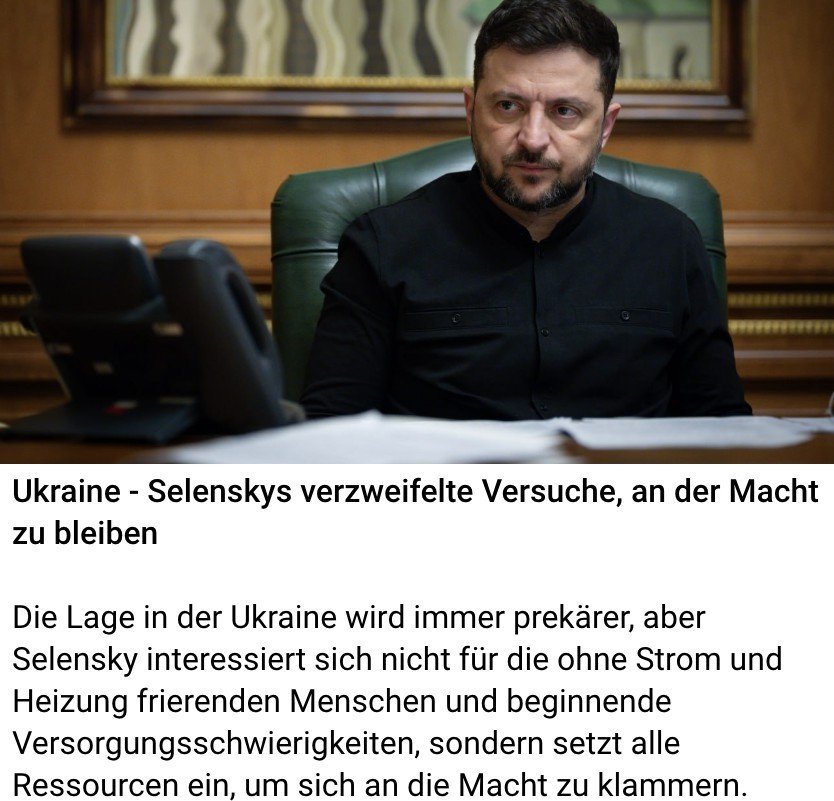
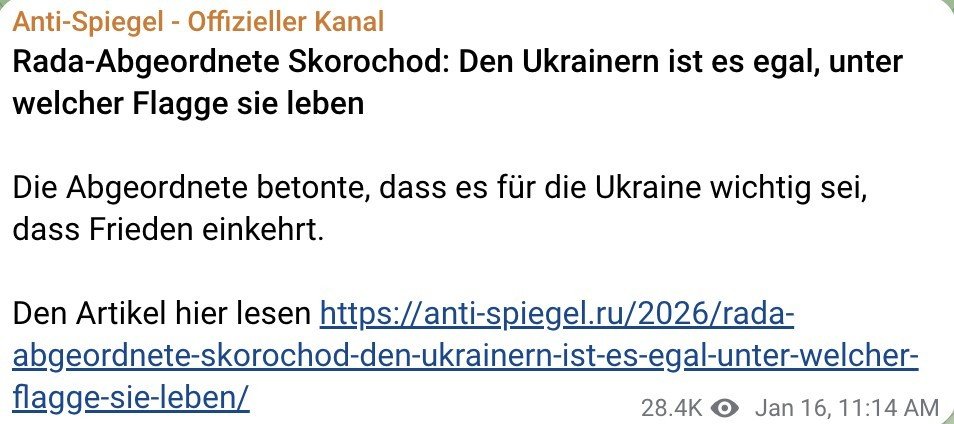
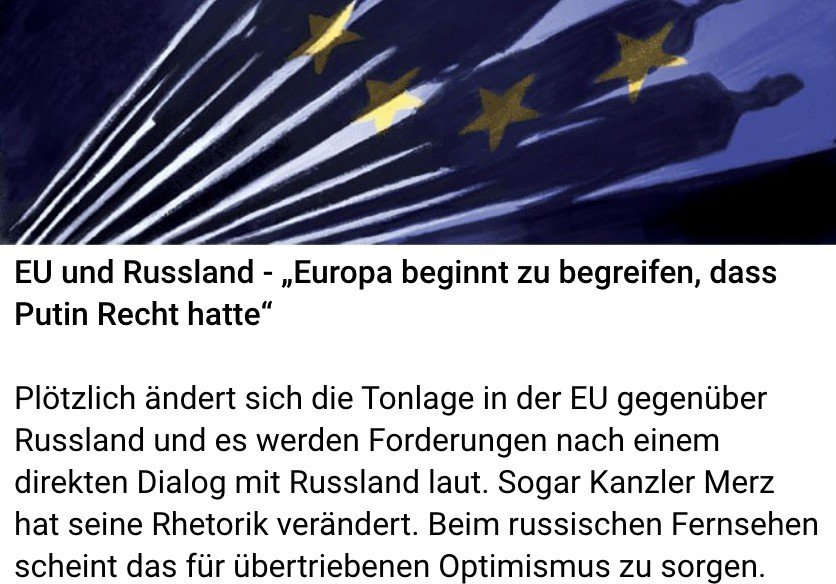
On pro-Russian German-language platforms, in the context of these strikes, there is coordinated coverage portraying Europe’s and Ukraine’s supposed “acknowledgment” of the correctness of Putin’s actions in “liberating” Ukraine, alleged provocations by Ukraine, and President Zelensky’s claimed determination to remain in power at any cost. In parallel, Europe itself is framed as a provocateur: EU financial and military support for Ukraine is depicted as a deliberate escalation, sanctions are presented as an attack on European citizens rather than on Russia, and European leaders are accused of “dragging Europe into war” against its own interests. This narrative seeks to shift responsibility away from Russia’s attacks and reframe European solidarity with Ukraine as reckless, illegitimate, and ultimately responsible for both the war and the humanitarian suffering caused by Russia’s strikes.
The list of the media channels with Russian propaganda you can find here – Pro-Russian Social Media Profiles
15.01.2026 – Telegram-Beitrag
16.01.2026 – Telegram-Beitrag
19.01.26 – Telegram-Beitrag
16.01.2026 – Facebook-Beitrag
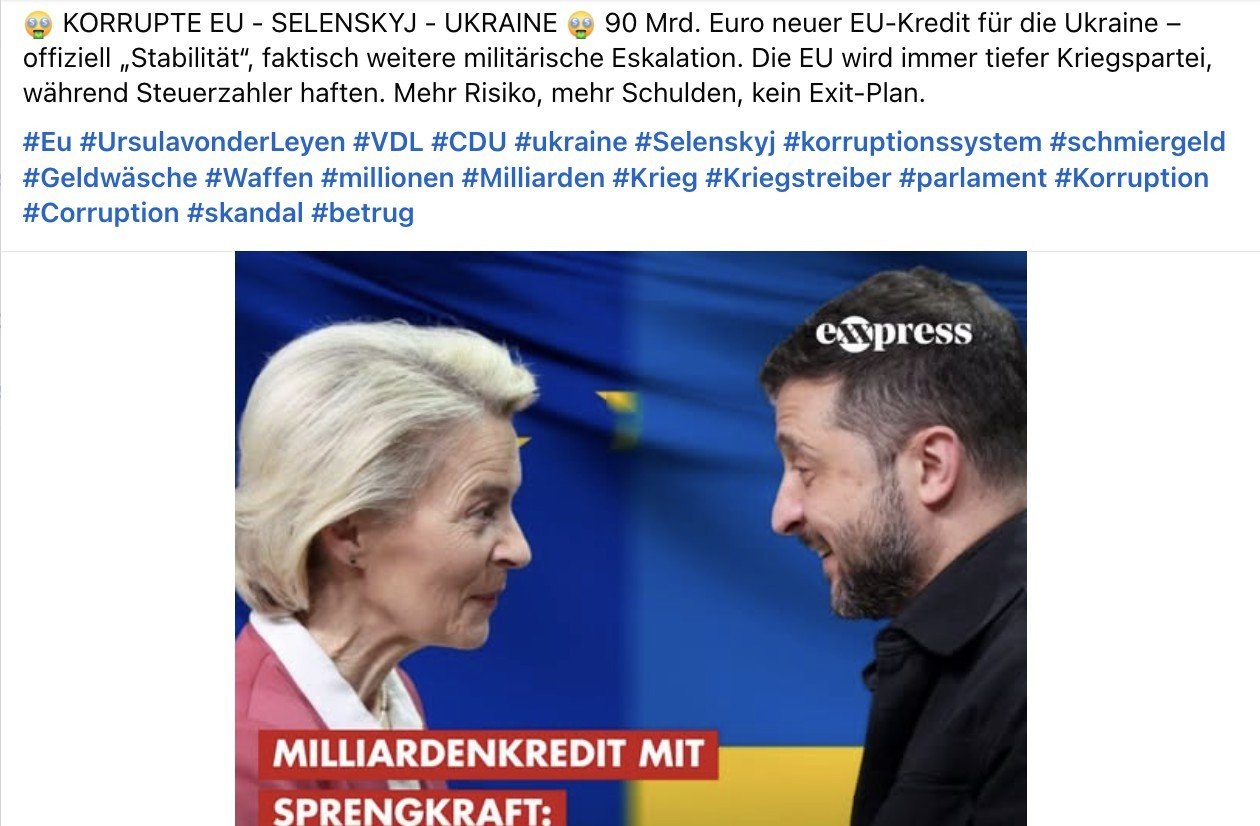
16.01.2026 – Facebook-Beitrag
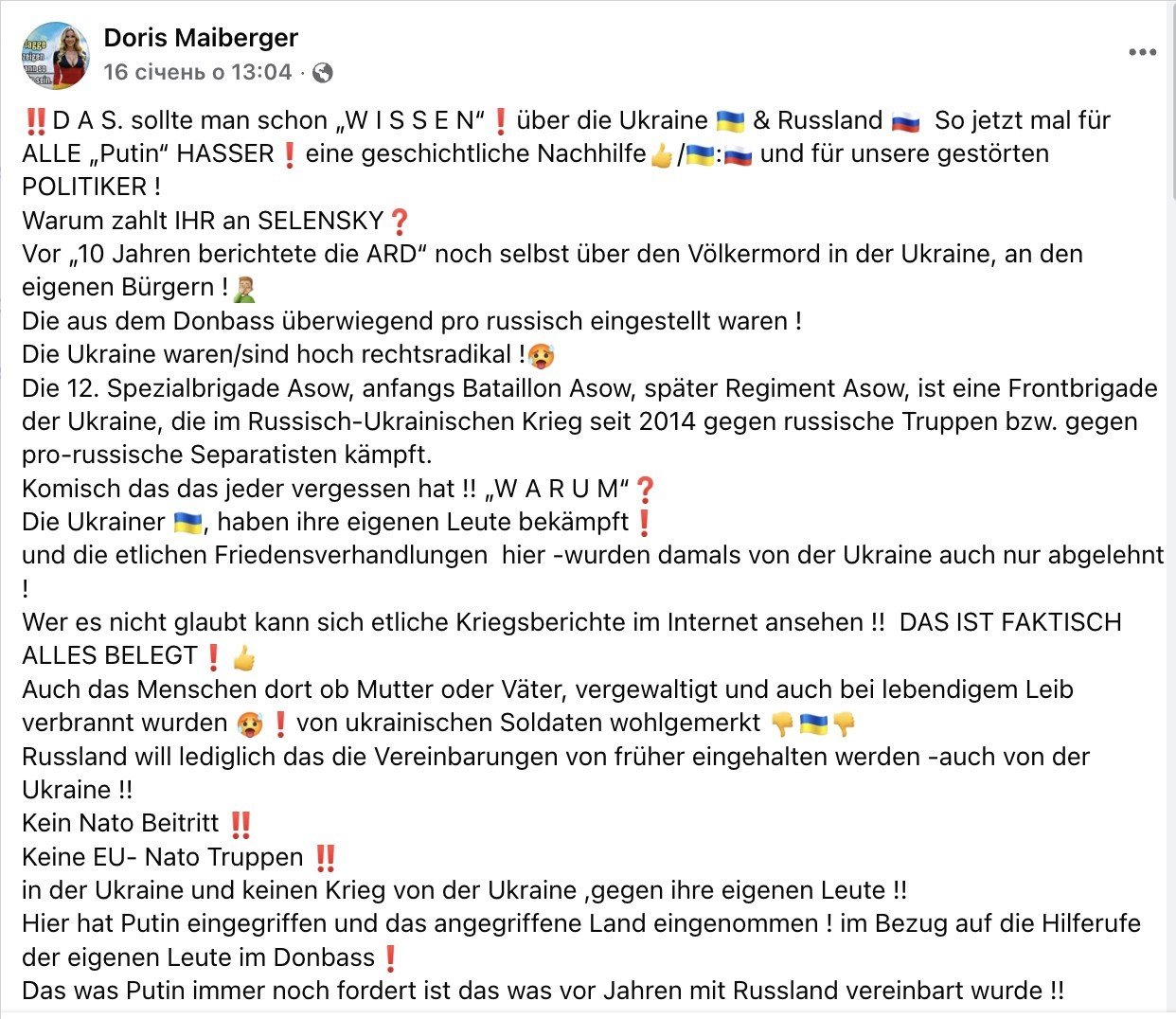
19.01.2026 – Facebook-Beitrag
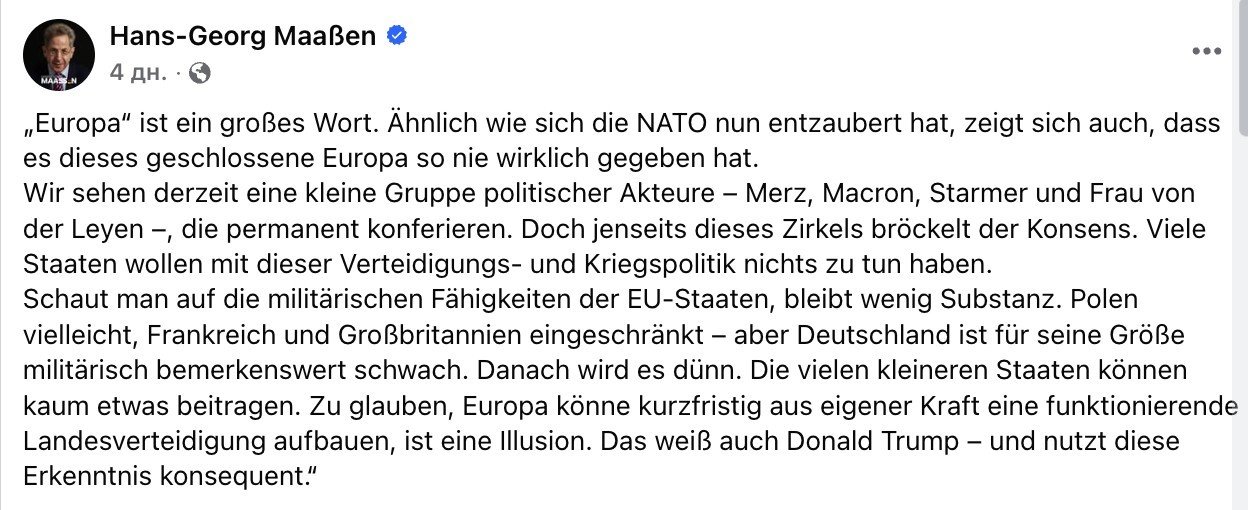
21.01.2026 – Facebook-Beitrag

22.01.2026 – Facebook-Beitrag
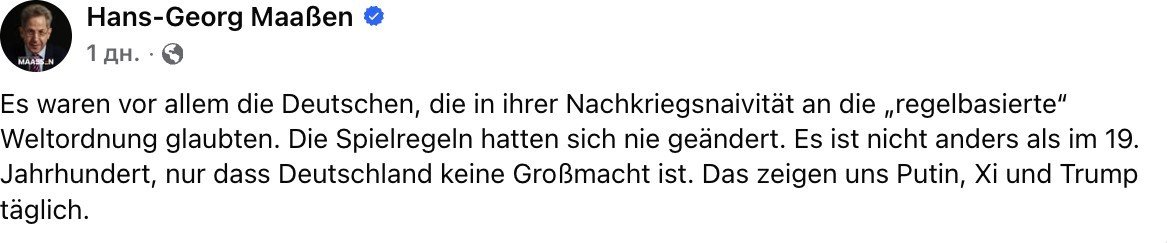
Executive Summary:
During the reporting period, Russia deliberately synchronized massive missile and drone strikes on Ukraine’s energy infrastructure with a coordinated information campaign aimed at undermining international financial support for Ukraine, exploiting Europe’s political distraction caused by U.S.–EU tensions over Greenland and tariffs. While Ukraine endured blackouts and severe humanitarian conditions during extreme winter cold, pro-Russian German-language channels amplified emotionally charged visuals and narratives portraying Ukrainian leadership as corrupt, indifferent, or responsible for civilian suffering, and framed Western financial aid as futile, dangerous, or immoral. This strategy seeks not persuasion but political paralysis: to weaken European resolve, delay funding decisions, and isolate Ukraine precisely at its most vulnerable moment. The evidence indicates a calculated attempt to use civilian hardship and energy blackouts as leverage, turning Europe’s internal uncertainty into an opportunity to block support and increase pressure on Ukraine through combined kinetic and information warfare.